
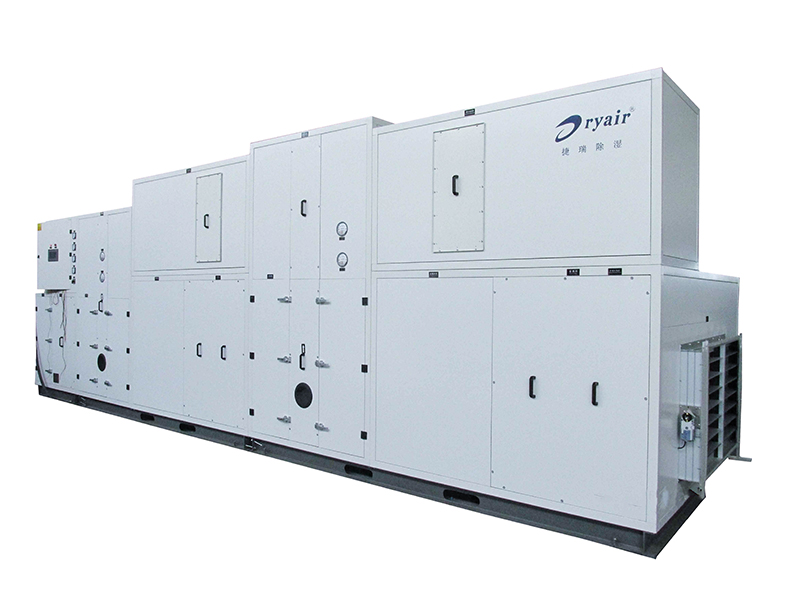
Volatile Organic Compounds(VOCs) typify a considerable situation challenge due to their corrupting personal effects on air quality and human being health. These organic chemicals are emitted as gases from various heavy-duty processes, including painting, chemical manufacturing, and solution use. As regulations constrain intercontinental, industries are progressively investing in hi-tech voc waste gas treatment technology to understate emissions and protect the . Innovative approaches to treating and purgatorial VOC run off gases have evolved well in Recent years, motivated by the need for greater efficiency, sustainability, and compliance with stricter state of affairs standards.
At the core of managing VOC emissions is the voc waste gas refining work on, which aims to transfer or neutralize vesicant compounds before they are released into the standard pressure. Traditional methods, such as adsorption using treated carbon paper or caloric combustion, have been wide used for decades. However, these techniques often come with high in operation costs, vitality expenditure, or secondary coil pollution issues. To address these limitations, explore and development in voc run off gas handling engineering science have focussed on innovative solutions that improve refining efficiency while reduction state of affairs affect and operational .
One of the rising technologies gaining grip is catalytic oxidization, which uses catalysts to win over VOCs into less vesicant substances such as carbon dioxide and water at lour temperatures compared to orthodox energy oxidization. This approach offers advantages like lour energy requirements and reduced formation of secondary winding pollutants. Catalytic systems are studied to handle a variety of VOC waste gas streams, making them suited for various industrial applications. Their power to run efficiently at tame temperatures not only cuts down on fuel using up but also prolongs lifetime, enhancing overall sustainability.
Another likely area is the use of biofiltration systems, which leverage microorganisms to wear out down VOC compounds biologically. This nature-inspired set about to voc waste gas maintenance offers a cost-effective and environmentally friendly option. Biofilters use layers of organic materials where bacteria metabolize the VOCs as nutrients, in effect purgatorial the air. The biofiltration process requires troubled monitoring and upkee to check the micro-organism populations remain active voice and competent, which is why voc run off gas sustainment plays a vital role in achieving consistent results. Despite some limitations connected to handling capacity and sensitivity to fluctuating gas compositions, biofiltration has become nonclassical for treating low to medium concentrations of VOCs in industries such as wastewater treatment and food processing.
Adsorption stiff a life-sustaining component part of many VOC run off gas purification processes, particularly with advancements in adsorbent material materials. Activated carbon continues to be the standard due to its high rise area and affinity for organic fertiliser compounds, but novel materials like zeolites and metallic element-organic frameworks(MOFs) are gaining tending. These new adsorbents offer improved selectivity, regeneration capability, and capacity, addressing common challenges such as adsorbent impregnation and disposal. Integrating high-tech adsorbents into voc run off gas treatment engineering enables more competent and recovery of VOCs, allowing industries to reuse solvents and tighten raw material expenditure.
Membrane legal separation applied science is also making strides as an innovative method acting for VOC waste gas refining. Membranes by selection allow VOC molecules to pass through while blocking others, separating contaminants based on size or chemical substance phylogenetic relation. This technology is energy-efficient, bundle off, and can be easily organic into present heavy-duty systems. Its standard plan facilitates scalability, making tissue layer separation attractive for facilities with varied emission volumes. Continued improvements in membrane materials and enduringness are expanding its practical applications across triune sectors, including petrochemical and pharmaceutic industries.
In plus to technical innovations, the integration of ache monitoring and verify systems into voc run off gas treatment technology is transforming how facilities finagle emissions. Real-time sensors and automated verify systems enable precise tracking of VOC concentrations, temperature, humidity, and squeeze within treatment units. This data-driven go about allows for proactive voc run off gas maintenance, optimizing work parameters and preventing failures or inefficiencies. By minimizing downtime and increasing treatment performance, intelligent systems put up to reducing overall state of affairs footprints and work costs.
The futurity of VOC run off gas treatment and refining technologies lies in combining quadruplicate methods to create hybrid systems that capitalize on the strengths of each approach. For example, yoke biofiltration with surface assimilation or chemical action oxidisation can heighten treatment strength across a broader straddle of VOC concentrations and compositions. Such integrated solutions offer flexibility, resilience, and better adaptability to dynamic heavy-duty processes. Furthermore, on-going explore into green catalysts, renewable adsorbents, and low-energy purification processes promises to further reduce the biological science affect of VOC management.
In ending, original voc run off gas handling engineering is crucial for addressing the environmental challenges posed by fickle organic fertilizer compounds. Advances in chemical action oxidization, biofiltration, adsorption, tissue layer legal separation, and smart verify systems have importantly cleared the efficiency and sustainability of the voc waste gas purification process. Effective voc run off gas maintenance ensures that these systems operate dependably and meet regulative requirements. As industries preserve to develop and situation sentience grows, adopting thinning-edge VOC treatment solutions will be necessary for protective air timber and fostering a , safer futurity.