
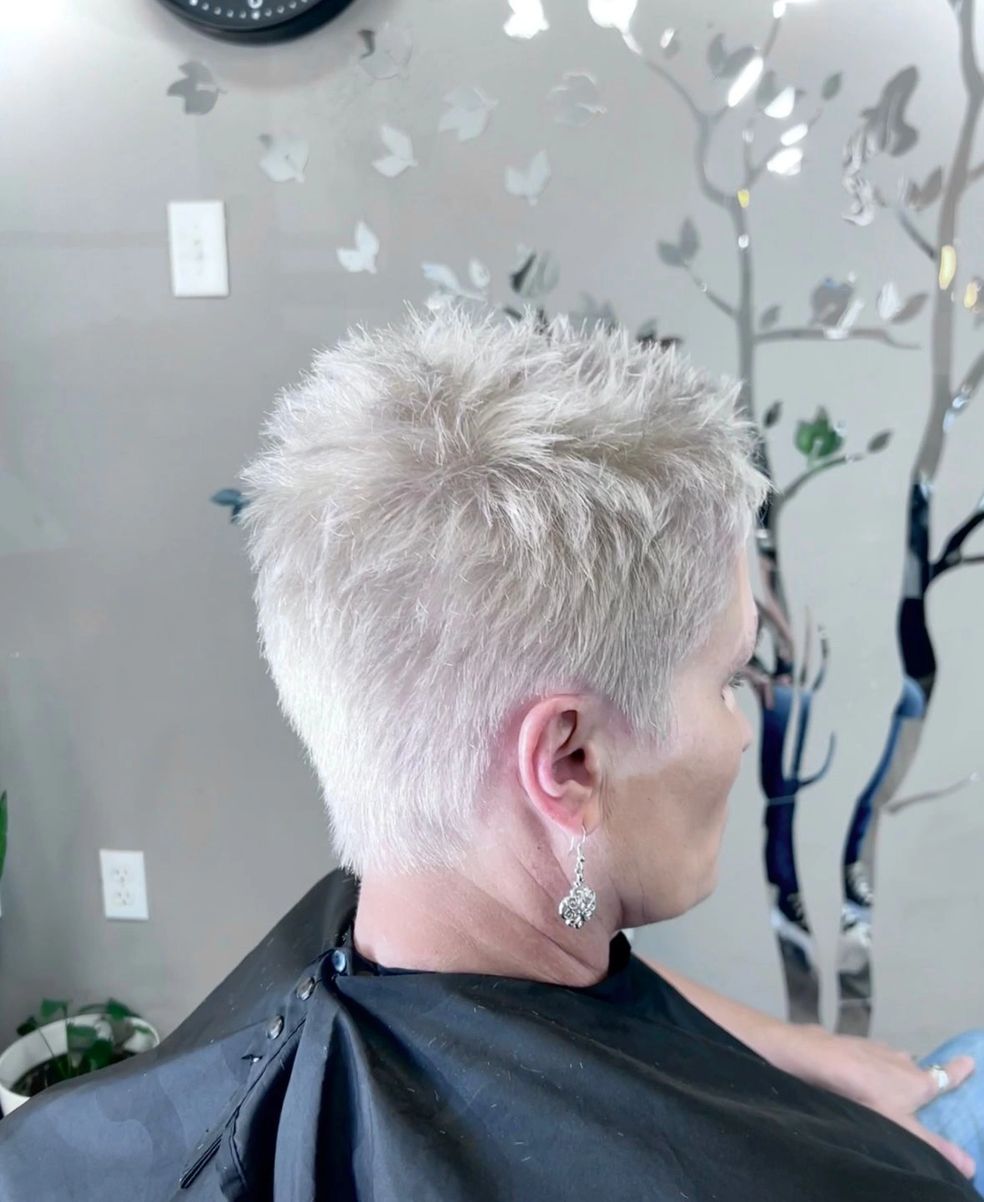
Qpubhb Health & Fitness Hair Care The Key To Pleasant And Healthy Locks

Hair Care The Key To Pleasant And Healthy Locks

Hair is often well-advised a somebody’s crowning resplendency. It frames the face and can greatly involve one’s appearance. However, maintaining warm, luscious locks requires proper care and tending. With the use of the right products and techniques, anyone can achieve beautiful and healthy hair. In this article, we will talk over the necessity steps to keep your hair in its best .

The first step in hair care is to place your hair type. Is it dry, oily, or pattern? Is it straightaway, curly, or wavy? Each hair type has different needs, and using the wrong shampoo and conditioner could result in hair problems. For example, using products developed for oily hair on dry locks can strip away requirement oils and lead to further dryness.

Once you have obstinate your hair type, it is evidentiary to choose the right hair care products. Look for shampoos and conditioners that are specifically designed for your hair type. For those with color-treated hair, use products that are placate and sulfate-free to prevent tinge fading. Additionally, incorporating a hair mask or deep treatment once a week can help nourish and resort damaged hair.

One of the most crucial yet often overlooked steps in hair care is scalp care. A healthy scalp promotes healthy hair increase. To exert a sound scalp, it is evidentiary to keep it clean and free from establish-up. Use a clarifying shampoo once a calendar month to get rid of any production balance or nimiety oils. Additionally, massaging the scalp with cancel oils, such as Cocos nucifera or European olive tree oil, can help meliorate and shake up hair growth.

Heat styling tools, such as straighteners and irons, are favorable for achieving different hairstyles. However, immoderate heat can damage the hair by baring away wet and causing breakage. It is best to specify the use of heat styling tools and always use a heat protectant spraying before styling. Air-drying your hair and using choice hairstyles, such as braids or buns, can also give your hair a bust from heat damage.

Another important factor in luxury hair salon Las Vegas care is nourishment. Our diet plays a significant role in the wellness of our hair. Consuming a balanced diet rich in protein, vitamins, minerals, and sound fats can help elevat hair growth and keep hair loss. Foods like fish, nuts, and foliaged leafy vegetable are fantabulous sources of nutrients that contribute to warm and shining hair.

Regular trims are necessary in maintaining sound hair. Trimming off split ends prevents further damage and breakage. It is advisable to get a trim every six to eight weeks, depending on your hair’s duration and .

Lastly, protecting your hair from environmental factors is just as crucial as caring for it. Exposure to harsh endure, pollution, and UV rays can the hair cuticle, qualification it dull and prone to breaking. Wearing a hat or using a lead-in conditioner with SPF can help protect your hair from these external factors.

In conclusion, hair care is not a one-size-fits-all go about. It requires understanding your hair type, using the right products, and incorporating healthy habits into your procedure. With homogenous and proper care, anyone can accomplish beautiful and sound locks. Remember, your hair is your ultimate glory, so regale it with the care and tending it deserves.

Leave a Reply

Your email address will not be published. Required fields are marked *

Related Post

Cardiology: A Deep Dive into the Heart of HealthcareCardiology: A Deep Dive into the Heart of Healthcare

Cardiology, the medical field dedicated to the diagnosis, treatment, and prevention of heart disease, plays an essential role in modern medicine. As one of the leading causes of death worldwide, heart disease is a major public health issue, making cardiology an increasingly vital branch of healthcare. In this article, we will explore the importance of 心臟病 , its key areas of focus, advancements in treatments, and how individuals can actively engage in maintaining heart health.

Understanding the Heart: The Powerhouse of the Body

The heart is a muscular organ that serves as the center of the cardiovascular system, continuously pumping blood throughout the body to nourish organs and tissues. It consists of four chambers: the two atria (upper chambers) and the two ventricles (lower chambers), each playing a specific role in blood circulation. The right side of the heart pumps oxygen-depleted blood to the lungs for re-oxygenation, while the left side pumps oxygen-rich blood to the rest of the body.

The heart's efficiency is vital for the overall well-being of the body. Blood vessels, including arteries, veins, and capillaries, work in tandem with the heart to circulate blood. When something goes wrong with the heart's structure or function, the consequences can be far-reaching, affecting nearly every organ system. This is why cardiology is so essential, as it focuses on diagnosing and treating conditions that impact the heart and circulatory system.

Common Heart Conditions and Diseases

Heart disease can take on many forms, each with unique causes, symptoms, and treatments. Understanding these common conditions can help people recognize early warning signs and seek appropriate medical attention before the disease progresses.

1. Coronary Artery Disease (CAD)

Coronary artery disease occurs when the blood vessels supplying oxygen-rich blood to the heart become narrowed or blocked due to plaque buildup. Over time, this can lead to chest pain (angina), shortness of breath, and even heart attacks. CAD is typically caused by risk factors such as high cholesterol, hypertension, smoking, and poor diet. Treatment options range from lifestyle changes and medications to procedures like angioplasty, where a balloon is used to widen blocked arteries, or coronary artery bypass surgery for severe cases.

2. Heart Failure

Heart failure is a condition where the heart can no longer pump blood effectively to meet the body's needs. This doesn't mean the heart stops working entirely, but rather it becomes too weak or stiff to pump blood properly. Symptoms include fatigue, swelling, and shortness of breath. Heart failure can result from a variety of underlying conditions, such as heart attacks, high blood pressure, and diabetes. Treatment involves a combination of medications, lifestyle changes, and sometimes surgery, such as the implantation of a pacemaker or heart transplant in extreme cases.

3. Arrhythmias

An arrhythmia is an irregular heartbeat that occurs when the electrical signals controlling the heart’s rhythm malfunction. This can lead to a heart beating too fast (tachycardia), too slow (bradycardia), or in an irregular pattern. Some arrhythmias are harmless, while others can lead to stroke or cardiac arrest. Atrial fibrillation (AFib), for example, is one of the most common types of arrhythmia and can increase the risk of stroke. Treatment can involve medications, lifestyle changes, and interventions such as pacemakers or catheter ablation to correct abnormal rhythms.

4. Valvular Heart Disease

The heart contains four valves that ensure blood flows in the right direction through the heart chambers. Valvular heart disease occurs when one or more of these valves become damaged or diseased, affecting blood flow. Conditions like aortic stenosis (narrowing of the aortic valve) or mitral regurgitation (leakage of the mitral valve) can lead to heart failure and other serious complications. Treatment may involve medications or surgery to repair or replace the affected valve.

5. Hypertension (High Blood Pressure)

High blood pressure, or hypertension, is a major risk factor for heart disease. When the pressure in the arteries is too high, it forces the heart to work harder, increasing the risk of heart attack, stroke, and kidney damage. Hypertension often goes unnoticed because it typically has no symptoms, which is why regular monitoring is important. Management includes lifestyle changes like reducing salt intake, regular exercise, and, if necessary, medication.

6. Congenital Heart Defects

Congenital heart defects are structural problems in the heart that develop before birth. These defects can vary from minor issues, such as small holes between the heart chambers, to more serious conditions that require immediate surgery after birth. Early diagnosis through screening programs can help manage these defects, allowing for timely intervention and successful treatments.

The Role of a Cardiologist

Cardiologists are medical specialists who focus on the prevention, diagnosis, and treatment of heart disease. With their deep knowledge of cardiovascular conditions, cardiologists play a central role in managing patients' heart health, from the identification of heart disease risk factors to the implementation of treatment plans.

Some of the key responsibilities of cardiologists include:

  • Diagnosis: Cardiologists employ a variety of diagnostic tools, such as electrocardiograms (ECG), echocardiograms, and stress tests, to assess the heart’s function and identify underlying conditions.
  • Management and Treatment: Cardiologists develop treatment plans tailored to the individual needs of patients. This may involve medications, lifestyle modifications, or advanced interventions like angioplasty, stent placement, or heart surgery.
  • Prevention: Cardiologists work proactively with patients to reduce their risk of developing heart disease. This includes educating patients on proper diet, exercise, and stress management, as well as monitoring key health metrics like blood pressure, cholesterol levels, and blood sugar.
  • Specialized Care: Within cardiology, there are various subspecialties, such as interventional cardiology, electrophysiology, and pediatric cardiology, which focus on specific heart conditions. These specialized fields enable cardiologists to provide the best care for a wide range of heart-related issues.

Technological Advancements in Cardiology

Over the past few decades, cardiology has benefited from significant advancements in medical technology, which have dramatically improved the diagnosis, treatment, and management of heart disease. Some of the most groundbreaking innovations include:

  1. Minimally Invasive Procedures: Advances in interventional cardiology have led to the development of minimally invasive techniques like angioplasty and catheterization. These procedures involve inserting a catheter into the arteries to repair blockages or implant stents, allowing patients to recover faster and with fewer risks compared to traditional open-heart surgery.

  2. Cardiac Imaging: New imaging technologies such as magnetic resonance imaging (MRI) and computed tomography (CT) scans allow cardiologists to create detailed images of the heart and blood vessels. These images help in assessing heart conditions more accurately and planning treatment more effectively.

  3. Wearable Devices: The rise of wearable health technology has empowered individuals to monitor their heart health continuously. Devices like smartwatches and fitness trackers can monitor heart rate, detect irregularities, and alert the wearer to potential health issues. These devices provide real-time data to both patients and healthcare providers, enabling more proactive management of heart health.

  4. Artificial Intelligence (AI): AI is increasingly being used in cardiology to analyze medical images, predict risk factors, and assist in decision-making. AI algorithms can detect patterns in large datasets that may not be visible to the human eye, improving diagnostic accuracy and treatment planning.

  5. Gene Therapy and Regenerative Medicine: Research in gene therapy and stem cell technology is showing promising results in treating heart diseases. Gene therapy aims to correct genetic defects that cause heart disease, while stem cells may one day be used to regenerate damaged heart tissue, providing a potential cure for conditions that currently require a transplant.

Preventive Cardiovascular Care: The Key to Longevity

While medical treatments and interventions have advanced, prevention remains the cornerstone of cardiovascular health. By addressing risk factors early, individuals can significantly reduce their chances of developing heart disease. Some key preventive strategies include:

  • Regular Exercise: Cardiologists recommend at least 150 minutes of moderate-intensity physical activity per week. Exercise strengthens the heart, lowers blood pressure, and helps control cholesterol levels.
  • Healthy Diet: A balanced diet rich in fruits, vegetables, whole grains, and lean proteins supports heart health. Reducing salt intake, avoiding trans fats, and consuming more omega-3 fatty acids (found in fish) can help prevent heart disease.
  • Stress Reduction: Chronic stress can negatively affect heart health. Cardiologists encourage stress management practices such as yoga, meditation, and mindfulness to improve mental well-being and reduce the risk of cardiovascular issues.
  • Avoiding Smoking and Excessive Alcohol: Smoking and excessive alcohol consumption are significant risk factors for heart disease. Quitting smoking and limiting alcohol intake can have immediate and long-term benefits for heart health.
  • Routine Check-Ups: Regular check-ups with a healthcare provider, including blood pressure and cholesterol screenings, can help catch potential heart issues early, allowing for timely intervention.

Conclusion

Cardiology is a field that profoundly impacts the health and well-being of individuals worldwide. With the rise of heart disease as a global health challenge, the role of cardiologists has become more critical than ever. Through advancements in medical technology, increased understanding of heart disease, and proactive preventive care, cardiologists continue to lead the fight against heart disease. By embracing heart-healthy habits and seeking regular medical care, individuals can take control of their heart health and work towards a longer, healthier life.

How Dispensary Marihuana Is Dynamical The Medical Exam ManufactureHow Dispensary Marihuana Is Dynamical The Medical Exam Manufacture

Just a decade ago, the idea of walk into a bright lit and buying ganja for medical examination purposes seemed futuristic, even polemic. Today, it s a convention part of Bodoni healthcare for millions of patients. Cannabis dispensaries have evolved far beyond the old stereotypes they are now hubs of education, innovation, and compassion. The medical industry is profitable aid, and the touch is positive.

From prolonged pain ministration to unhealthy wellness support, marijuana is reshaping the way we view handling, wellness, and the future of medicine itself. Let s search how this green gyration is transforming the healthcare landscape.

1. A Natural Alternative to Traditional Pharmaceuticals

One of the biggest shifts driven by dispensary marihuana is the move toward natural, plant-based medicine. Patients who once depended heavily on prescription painkillers or kip aids are now finding succor through cannabis products with less side effects.

Medical dispensaries offer a dismantle of precision that was previously untouchable. Instead of a one-size-fits-all pill, patients can take from strains, tinctures, edibles, and topicals that place specific symptoms whether it s inflammation, insomnia, anxiousness, or neuropathic pain.

This customization empowers patients to take control of their health in a way traditional medicate seldom allows. Many people are turning to ganja not just because it workings, but because it gives them options options that feel safer, more natural, and often more inexpensive than synthetic substance pharmaceuticals.

2. Changing How Doctors and Patients Communicate

Dispensary cannabis has also changed the doctor-patient kinship. For geezerhood, discussing marihuana use in a health chec setting was tabu. Now, doctors are more and more open to recommending or desegregation marihuana into treatment plans.

This transfer has bucked up more true, transparent . Patients no longer feel the need to hide their use or self-medicate in silence. Instead, they can talk with health care professionals about dosages, interactions, and long-term personal effects.

The lead? Better outcomes and a deeper sense of swear. Medical professionals are even collaborating with dispensaries to sympathize cannabinoid skill, production formulations, and dosing preciseness. dispensary near me is no thirster seen as an choice it s becoming a complementary color separate of medicine that Bridges the gap between clinical treatment and holistic health.

3. Personalized Medicine Through Cannabinoid Science

Every individual s body is different and marijuana embraces that individualism. The science behind cannabinoids like THC, CBD, CBG, and CBN is unlocking new frontiers in personalized medicate.

Dispensaries are leadership the tear in offer plain experiences. They cater lab-tested products with potential information, portion patients find their hone poise of compounds for succour. Whether it s a CBD-dominant formula for anxiety or a THC-rich extract for chronic pain, cannabis allows for fine-tuned adjustments that orthodox drugs plainly can t offer.

Some dispensaries even spouse with checkup researchers to prepare new formulations targeted at particular conditions like epilepsy, arthritis, PTSD, and cancer-related symptoms. These partnerships are portion bridge over the gap between health retail and clinical invention an unexampled step for Bodoni font medicine.

4. A Revolution in Pain Management

Perhaps the most unsounded touch of dispensary marihuana is seen in pain direction. For decades, opioids were the standard prescription for degenerative pain. While effective, they also sparked an of dependence and o.d..

Cannabis offers a safer, non-addictive choice. Many patients are using it to sharpen off opioids or avoid them entirely. Studies show that states with legal medical checkup marihuana programs report few opioid prescriptions and o.d. deaths.

Dispensaries make this transition accessible by providing direction, dose education, and production diversity everything from low-dose tinctures to stratum patches. This shift is not only rescue lives but also redefining how beau monde approaches pain succour and retrieval.

5. Mental Health and Emotional Wellness

The medical exam benefits of ganja broaden beyond the physical. Anxiety, economic crisis, PTSD, and sleep disorders are progressively being managed with cannabis-based therapies.

Dispensaries are now curating wellness lines studied for emotional poise microdose edibles for stress, calming CBD vapes for anxiety, and CBN-infused gummies for better log Z’s. What s powerful about this slew is its handiness: populate who might have been indecisive to seek psychiatrical medications now have a appease, plant-based option.

The psychological relief provided by marijuana is also reduction brand around mental wellness treatment. It s portion people take their well-being seriously without fear of sagaciousness or dependance.

6. Education and Empowerment at the Core

Modern dispensaries are more than retail spaces they are training centers. Budtenders and medical consultants play an essential role in precept patients about dosage, try types, terpenes, and safe expenditure methods.

This training empowers patients to make wise decisions rather than relying blindly on prescriptions. In many ways, dispensaries are redefining what patient role care looks like: accessible, personal, and vegetable in sympathy the person rather than the unwellness.

The Future of Medicine Is Green

Dispensary ganja has come a long way from its roots. It s now a reputable participant in Bodoni health care one that promotes balance, personal selection, and holistic healing. As search expands and regulations develop, the partnership between dispensaries and the medical industry will only grow stronger.

The content is clear: medicine is no longer confined to unimaginative clinics and pill bottles. It s evolving into something more man, more natural, and more inclusive. And marihuana is leading that shift one patient role, one , and one find at a time.

Analyseren Van Deze Verbinding Tussenin Cannabis Samen Met Vindingrijkheid Met Beeldende Kunst, Deuntjes, Evenals VooruitgangAnalyseren Van Deze Verbinding Tussenin Cannabis Samen Met Vindingrijkheid Met Beeldende Kunst, Deuntjes, Evenals Vooruitgang


De geschiedenis van cannabis in Nederland is uniek en complex, en gaat hand in hand met veranderingen in de maatschappij, politiek en cultuur in de afgelopen decennia. Waar het ooit volledig taboe was, is het tegenwoordig in veel opzichten een geaccepteerd onderdeel van de samenleving geworden, ondanks dat het juridisch gezien nog altijd een grijs gebied blijft.

In de jaren zeventig en tachtig veranderde het Nederlandse beleid ten aanzien van cannabis drastisch. Het bekende gedoogbeleid maakte het mogelijk dat kleine hoeveelheden cannabis werden gedoogd en niet meer strafrechtelijk vervolgd. Dit leidde tot de opkomst van coffeeshops: erkende verkooppunten waar consumenten op relatief veilige wijze cannabis konden kopen en gebruiken. Door deze aanpak kreeg Nederland wereldwijd erkenning als een progressief land in drugsbeleid.

Toch is het Nederlandse THC Gummies Kopen beleid niet zonder tegenstrijdigheden. Hoewel de verkoop aan consumenten wordt toegestaan, blijft de teelt en levering aan coffeeshops strafbaar. Het bekendstaande “achterdeurprobleem” betekent dat coffeeshops illegale bronnen gebruiken om cannabis te verkrijgen. Deze paradox heeft jarenlang voor kritiek gezorgd en roept vragen op over de effectiviteit en transparantie van het huidige beleid.

In recente jaren groeit de wens om de teelt van cannabis te reguleren en te legaliseren. Het Wietexperiment, uitgevoerd in enkele gemeenten, richt zich op het reguleren van legale teelt om veiligheid en kwaliteit te verbeteren. Het doel is te bepalen of het mogelijk is om het gehele proces van teelt tot verkoop onder controle en legaal te brengen.

Naast recreatief gebruik groeit ook het medische gebruik van cannabis. Patiënten gebruiken cannabis steeds vaker als alternatief of extra behandeling, bijvoorbeeld bij pijn, MS of chemo-effecten. De toename van medisch gebruik draagt bij aan acceptatie, maar het debat over de precieze werking en veiligheid blijft voortduren.

Ook op cultureel gebied heeft cannabis een belangrijke rol gespeeld in Nederland. Muziek, kunst en toerisme zijn sterk beïnvloed door cannabis. Veel toeristen bezoeken Amsterdam speciaal voor de coffeeshops, wat de stad een bepaalde reputatie heeft gegeven. De aanwezigheid van toeristen leidt tot spanningen met de lokale bevolking en bestuurders, die streven naar een betere balans.

Al met al is de positie van cannabis in Nederland in beweging. Cannabis is geëvolueerd van verboden stof tot geaccepteerd product, maar blijft een controversieel thema. Nederland staat de komende jaren voor belangrijke keuzes: legalisatie, regulering of voortzetting van het gedoogbeleid. Het gesprek over cannabis is verre van voorbij en blijft relevant.

Indicazioni Su Come Consumare La Cannabis Con Attenzione: Una Utile Istruzione Per Nuovi Utenti Che Vogliono Risultati AffidabiliIndicazioni Su Come Consumare La Cannabis Con Attenzione: Una Utile Istruzione Per Nuovi Utenti Che Vogliono Risultati Affidabili


Il cannabis, una pianta originaria dell’Asia centrale, è stata utilizzata per migliaia di anni per scopi medicinali, religiosi e ricreativi. Sebbene la sua storia sia ricca e complessa, il dibattito moderno sul cannabis si concentra principalmente su due aspetti: i suoi potenziali benefici terapeutici e i rischi associati al suo consumo. Con l’evoluzione della legislazione e una crescente ricerca scientifica, il cannabis sta emergendo come un tema di grande interesse e controversia a livello globale, specialmente in Italia, dove la legalizzazione è un argomento caldo.

Il principio attivo principale del cannabis, il tetraidrocannabinolo (THC), è responsabile degli effetti psicoattivi che alterano la percezione e l’umore. Tuttavia, la pianta contiene anche il cannabidiolo (CBD), che non ha effetti psicoattivi, ma è stato studiato per le sue potenzialità terapeutiche. Il CBD è stato utilizzato in trattamenti per una varietà di disturbi, tra cui epilessia, ansia e dolori cronici. Il fatto che il cannabis contenga sia THC che CBD fa sì che le sue applicazioni mediche siano molto varie, e alcuni paesi, come il Canada e diverse nazioni europee, hanno già implementato politiche di legalizzazione per uso medico.

In Italia, l’uso di cannabis per scopi terapeutici è stato legalizzato nel 2016, ma l’uso ricreativo rimane vietato. Nonostante ciò, il mercato delle cosiddette “cannabis light”, una varietà di cannabis con livelli di THC inferiori allo 0,2%, è cresciuto notevolmente negli ultimi anni. Questo tipo di cannabis non provoca effetti psicoattivi significativi e viene utilizzato principalmente per scopi rilassanti e per trattamenti alternativi, come l’alleviamento di dolori muscolari e l’insonnia. Tuttavia, anche l’uso di cannabis light è oggetto di discussioni, con alcuni esperti che avvertono dei possibili rischi di dipendenza e degli effetti collaterali a lungo termine.

Un aspetto cruciale del dibattito sulla cannabis riguarda la salute pubblica. Mentre alcuni studi suggeriscono che l’uso controllato di cannabis possa avere benefici terapeutici, altri mettono in guardia contro gli effetti dannosi sulla salute mentale e fisica. L’abuso di cannabis, in particolare nei giovani, è stato collegato a problemi psicologici come la psicosi e l’ansia, oltre a compromettere la memoria e le funzioni cognitive. In Italia, l’uso di cannabis tra i giovani è aumentato negli ultimi anni, e molte scuole e università hanno avviato programmi di educazione per sensibilizzare i ragazzi sui rischi associati al consumo.

La legalizzazione della cannabis rimane un tema controverso anche per quanto riguarda la sicurezza e l’ordine pubblico. Da un lato, alcuni sostengono che la legalizzazione potrebbe ridurre il mercato nero e migliorare il controllo sulla qualità del prodotto, ma dall’altro, c’è chi teme che potrebbe aumentare il consumo, soprattutto tra i minori, e generare problemi sociali ed economici. La regolamentazione del cannabis, quindi, richiede un delicato equilibrio tra i benefici potenziali e i rischi, oltre a un forte sistema di controllo e educazione.

In conclusione, il cannabis è una pianta dalle molteplici sfaccettature. Sebbene possa offrire vantaggi terapeutici per alcuni, è necessario affrontare con cautela i suoi rischi. La ricerca scientifica e le politiche pubbliche in evoluzione saranno decisive per determinare come il space cake possa essere utilizzato in modo sicuro ed efficace. Fino ad allora, il dibattito continuerà a dividersi tra coloro che vedono nel cannabis una risorsa e coloro che temono le sue implicazioni per la salute e la società.